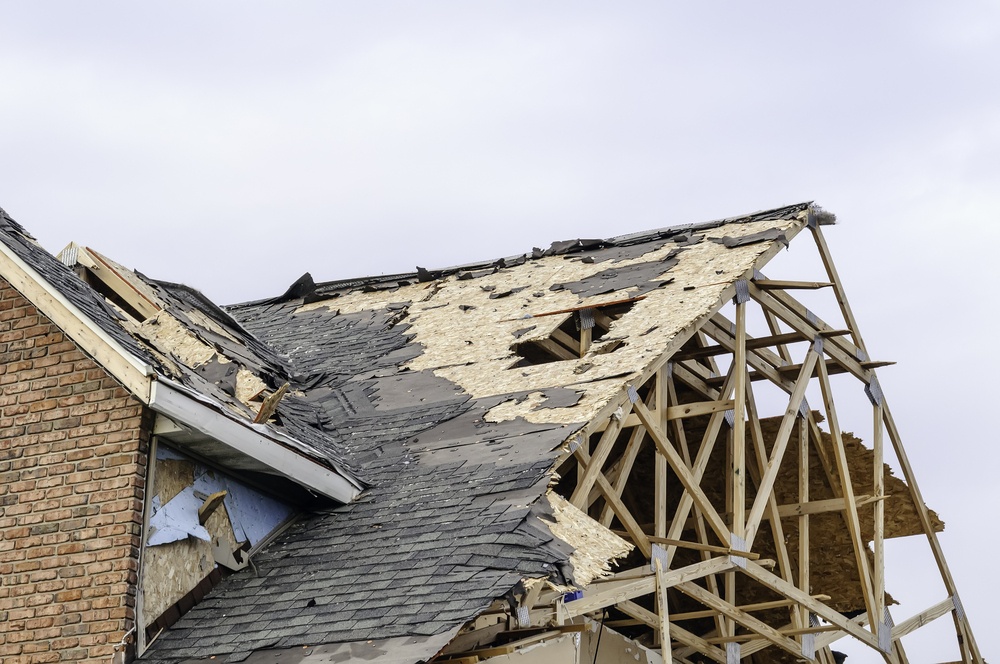
Question: Are employees affected by hurricanes and other natural disasters eligible for Family and Medical Leave Act (FMLA) leave?
Answer: It depends on the circumstances surrounding the need for leave. First, let’s review the criteria for FMLA leave.
Employers are required to grant FMLA leave to eligible employees if they employ 50 or more employees for each working day in 20 or more calendar weeks of the current or preceding calendar year. These employers must grant FMLA leave to eligible employees for up to 12 weeks in a 12-month period.

If an employee requests FMLA leave to clean up after a natural disaster, search for family, or contribute to community clean-up and rescue efforts, employers are not required to provide FMLA leave. The same holds true if an employee needs to take time off to care for children because schools are closed due to a storm or similar event.
RELATED: When Disaster Strikes - 8 Steps to Prepare Your Business >>
RELATED: Human Resources Disaster Preparedness: Is Your Workplace Ready?
On the other hand, if an employee is injured physically or suffers a mental illness that meets the definition of “serious health condition” and is unable to perform his or her job as a result of a natural disaster, then the employee could qualify for FMLA leave with medical certification. An employee may need to care for a child, spouse, or parent with a serious health condition who is affected by the natural disaster, a situation that could also qualify the employee for FMLA leave.
Employers should gather as much information as possible from an employee requesting leave. If an employee’s situation doesn’t qualify him or her for leave, the employer may consider a flexible arrangement that allows the employee to attend to personal matters without worry of employment termination. Unpaid leave, flexible working hours, or telecommuting are examples of arrangements that could allow an employee to recover from a disaster without jeopardizing employment status. Employers who demonstrate caring and flexibility in times of high stress for employees can be rewarded with employee loyalty and hard work.
Natural disasters can significantly impact employees' lives, leading to situations where FMLA leave becomes necessary. While the FMLA does not cover absences for personal matters like property damage, it does apply when an employee or their immediate family member suffers a serious health condition due to the disaster. Employers must carefully assess each situation, ensuring compliance with FMLA regulations while supporting their employees during challenging times.
Need guidance on managing FMLA leave during emergencies? Axcet HR Solutions offers expert HR support to help you navigate complex leave situations with confidence. Visit axcethr.com to learn more about our comprehensive HR services.

Written by
Jeanette Coleman, SPHR, SHRM-SCP, is the Director of Human Resources at Axcet HR Solutions, where she has contributed her expertise for over 21 years.
As a leader in the HR industry, she holds advanced certifications as a Senior Professional in Human Resources (SPHR) and SHRM-Senior Certified Professional (SHRM-SCP). Jeanette oversees HR strategy and operations, ensuring Axcet delivers exceptional HR services that help small and mid-sized businesses stay compliant and grow.
With a Master’s degree in Human Resource Management from Keller Graduate School and a Bachelor of Science in Business Administration from Kansas State University, Jeanette is well-equipped to lead and support clients in navigating complex HR challenges.
Throughout her 15-year tenure as Director of Human Resources, she has been instrumental in positioning Axcet as the Midwest’s largest and premier Professional Employer Organization (PEO). Her previous roles at Axcet include Director of Employee Benefits and Senior HR Consultant, where she gained extensive experience in HR outsourcing, and employee risk management.
Jeanette’s expertise has been recognized through industry and regional publications. She co-authored the article “High-Touch in the Age of High-Tech: How PEOs Can Embrace AI Without Losing Their Humanity” (https://peoinsider.org/articles/high-touch-in-the-age-of-high-tech-how-peos-can-embrace-ai-without-losing-their-humanity/) for PEO Insider (March 2026), alongside Jo McClure, and was featured in Ingram’s Magazine in a Q&A (https://ingrams.com/article/qa-with-jeanette-coleman/) discussing generational change, technology, and workplace culture. These contributions reflect her perspective on balancing innovation with the human side of HR.
Jeanette’s leadership reflects her deep commitment to helping businesses thrive through strategic, compliance-driven HR solutions. Through her writing, she shares insights on HR strategy, compliance, and best practices to help employers confidently manage their workforce.
Published in: PEO Insider and Ingram's
.png)


Let us know what you think...